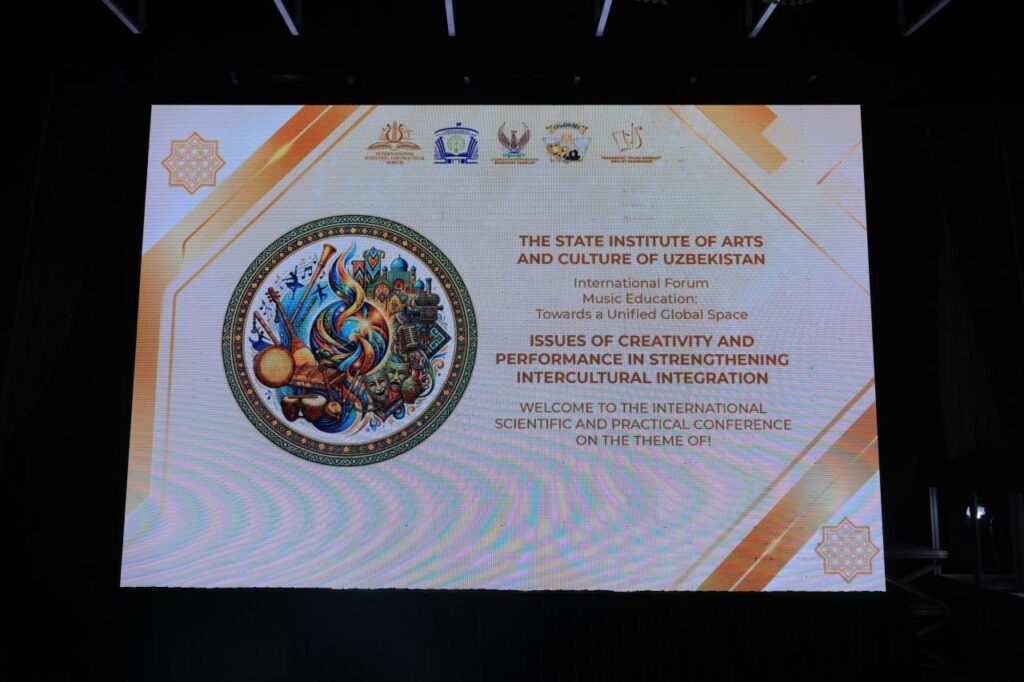
“Issues of Creativity and Performance in Strengthening Intercultural Integration” International Scientific-Practical Conference Held
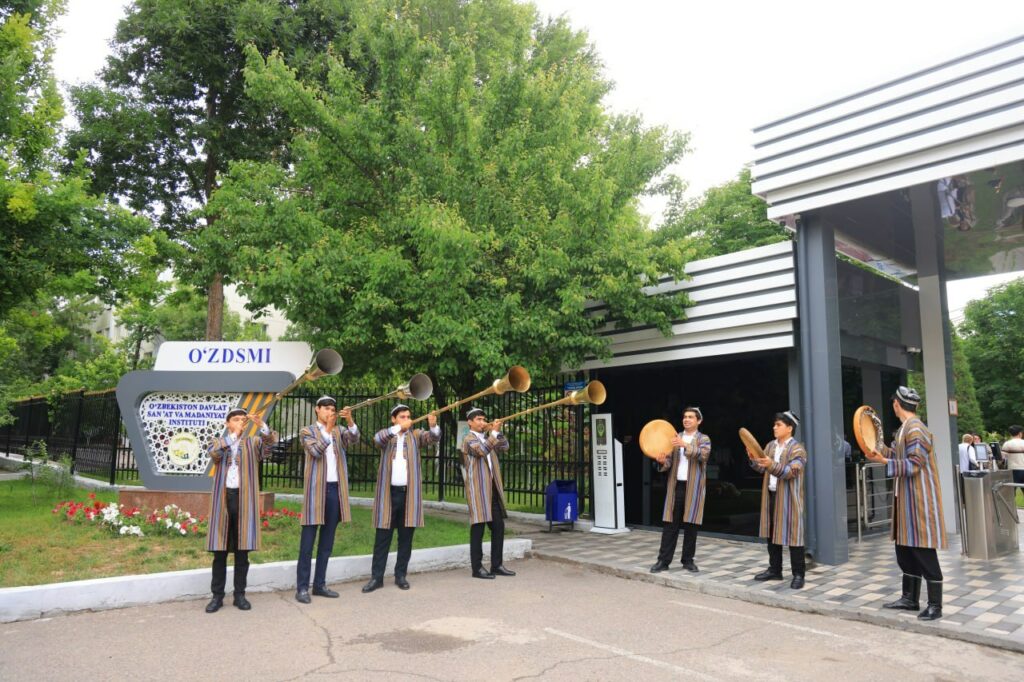
The conference was organised in collaboration with the Ministry of Higher Education, Science and Innovation of the Republic of Uzbekistan, the Ministry of Culture of the Republic of Uzbekistan, and the Uzbekistan State Institute of Arts and Culture.
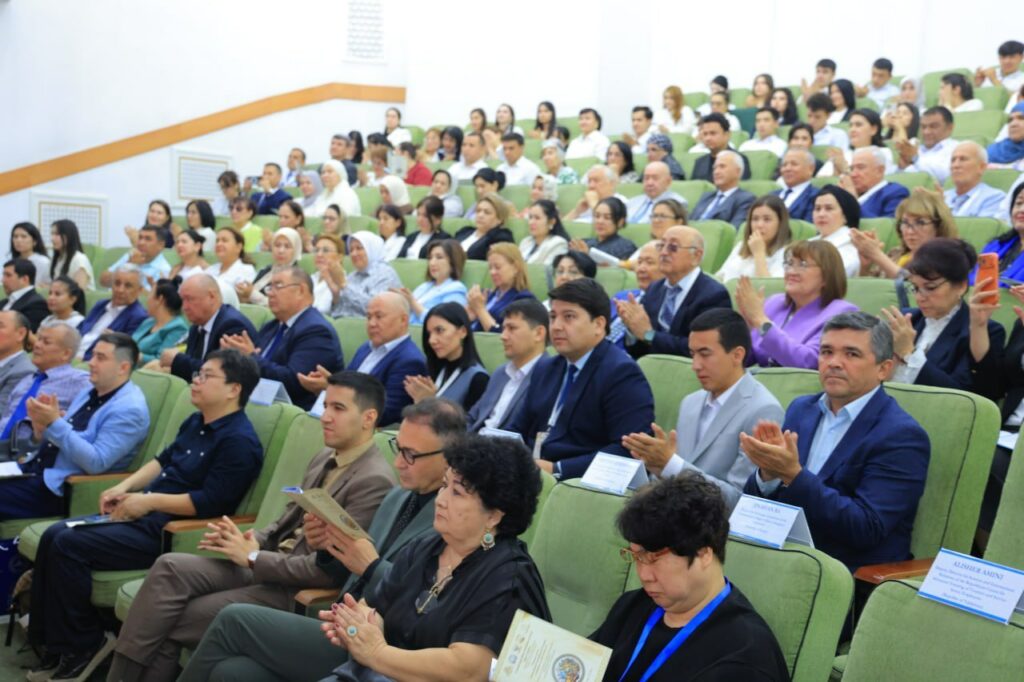
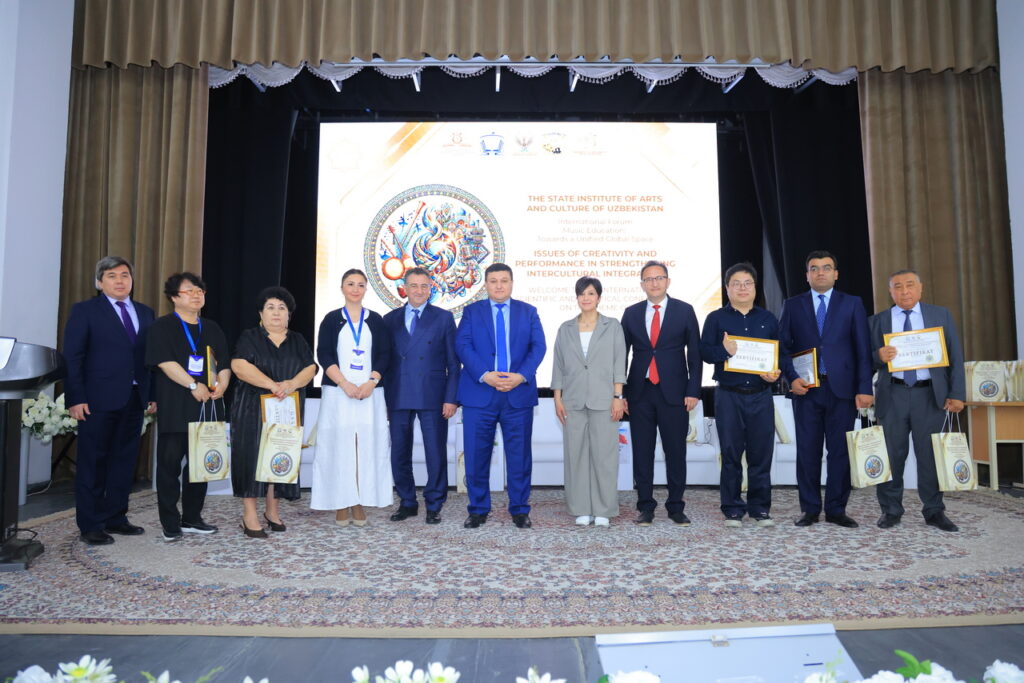
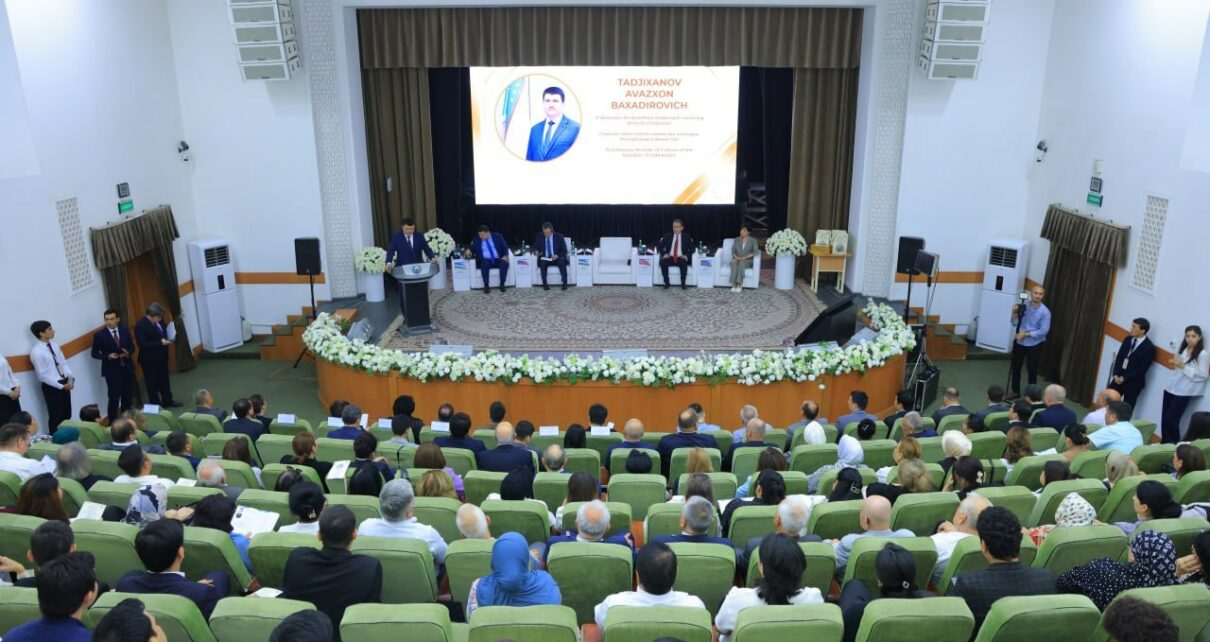
The international scientific-practical conference was attended by representatives of higher education institutions, research centres, and cultural and arts organisations, as well as prominent professors, distinguished scholars, and field experts from Russia, Turkey, China, Azerbaijan, South Korea, and Tajikistan.
The main objective of the conference is to analyse — from both scientific and practical perspectives — the role and significance of creativity and performance in intercultural dialogue and integration processes, to conduct a comparative study of the artistic and aesthetic experiences of various peoples, and to identify promising directions for developing cultural cooperation in the context of globalisation.
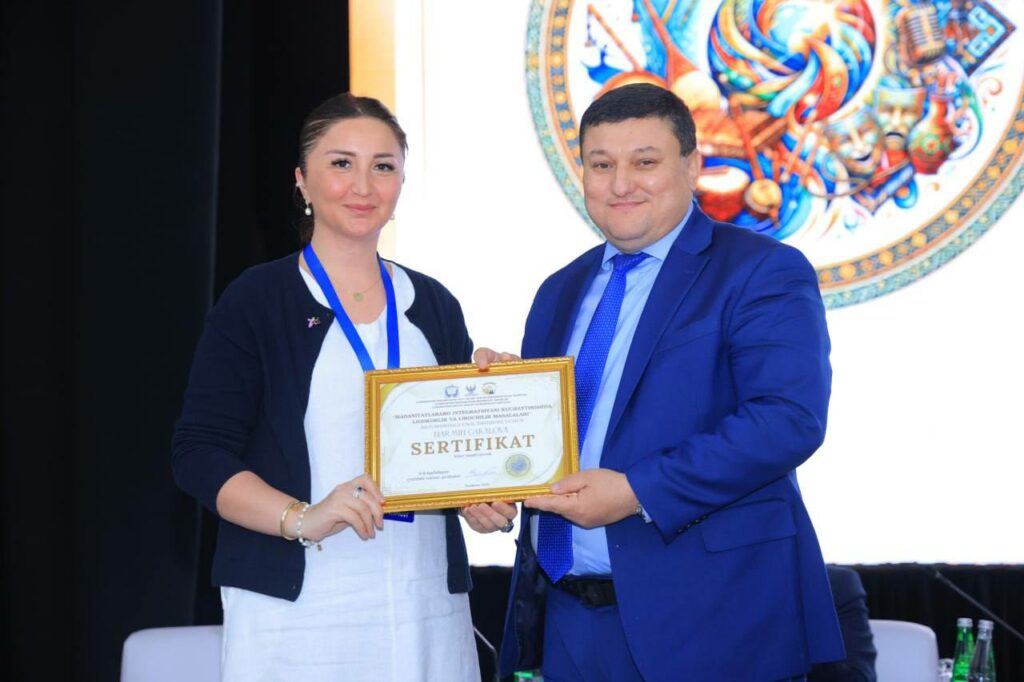
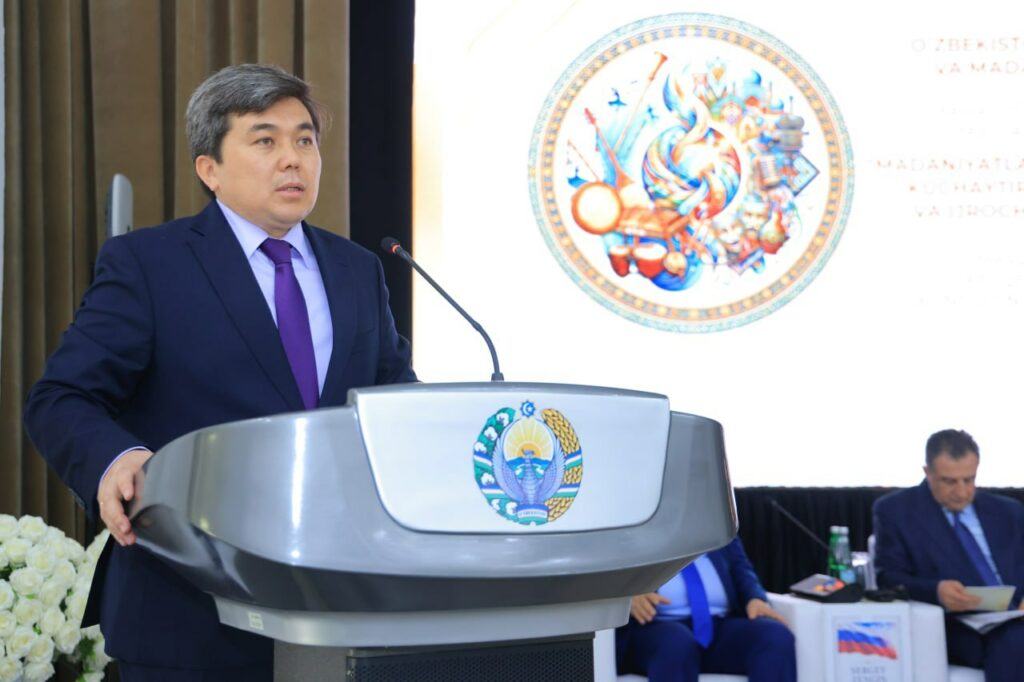
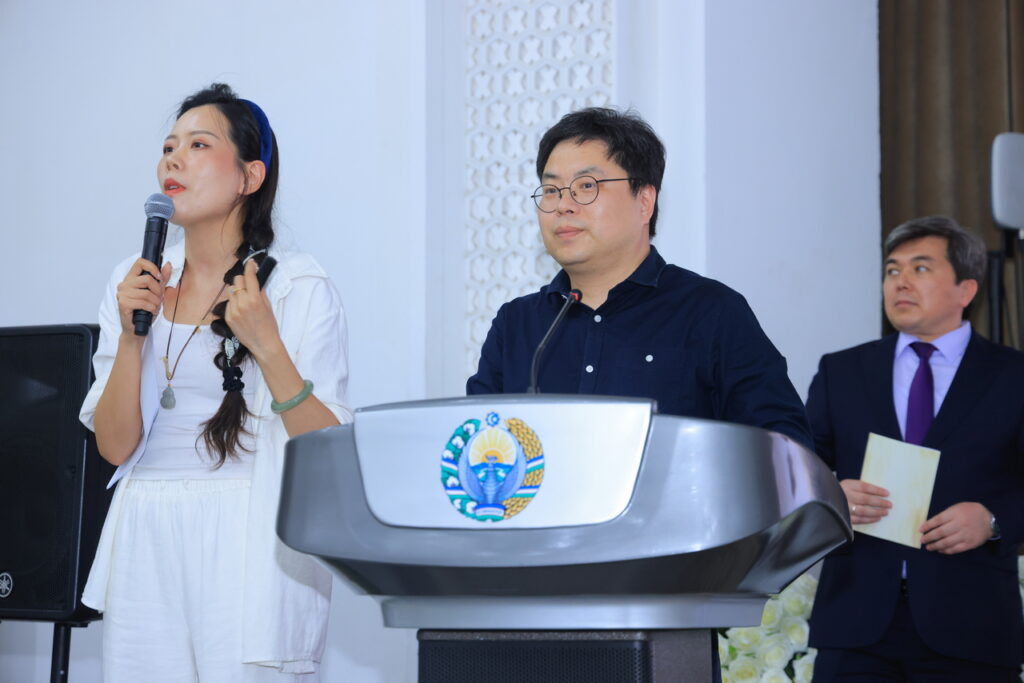
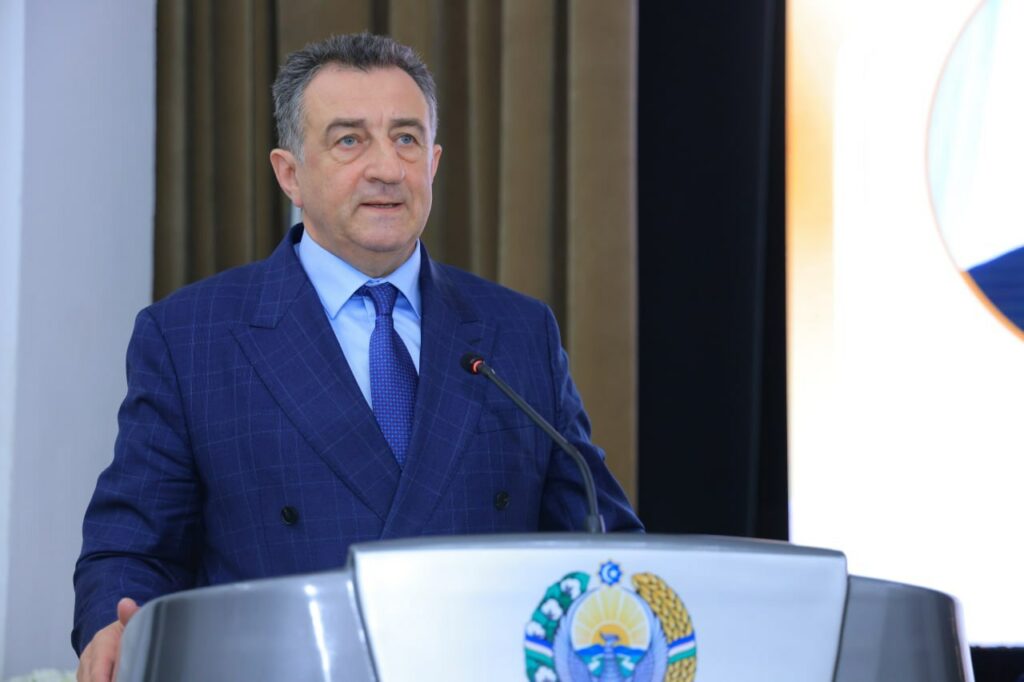
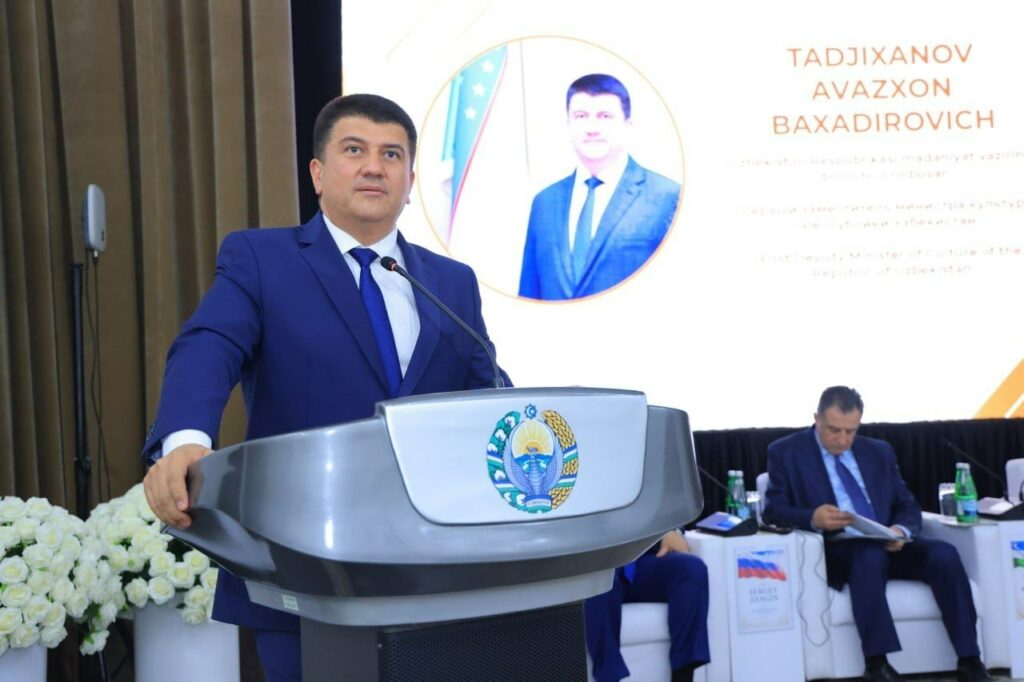
The conference opened with welcoming remarks addressed to the participants by Avazkhon Tadjikanov, First Deputy Minister of Culture of the Republic of Uzbekistan, and Nodirbek Sayfullaev, Rector of the Institute. The plenary session also featured presentations by foreign experts including Sergey Zengin (Russia), Mücahit Demir (Turkey), Wang Jianhui and Xu Ran (China), Narmin Garalova and Sevil Kerimova (Azerbaijan), Alisher Amini (Tajikistan), and Jin-Hwan Ra (South Korea).
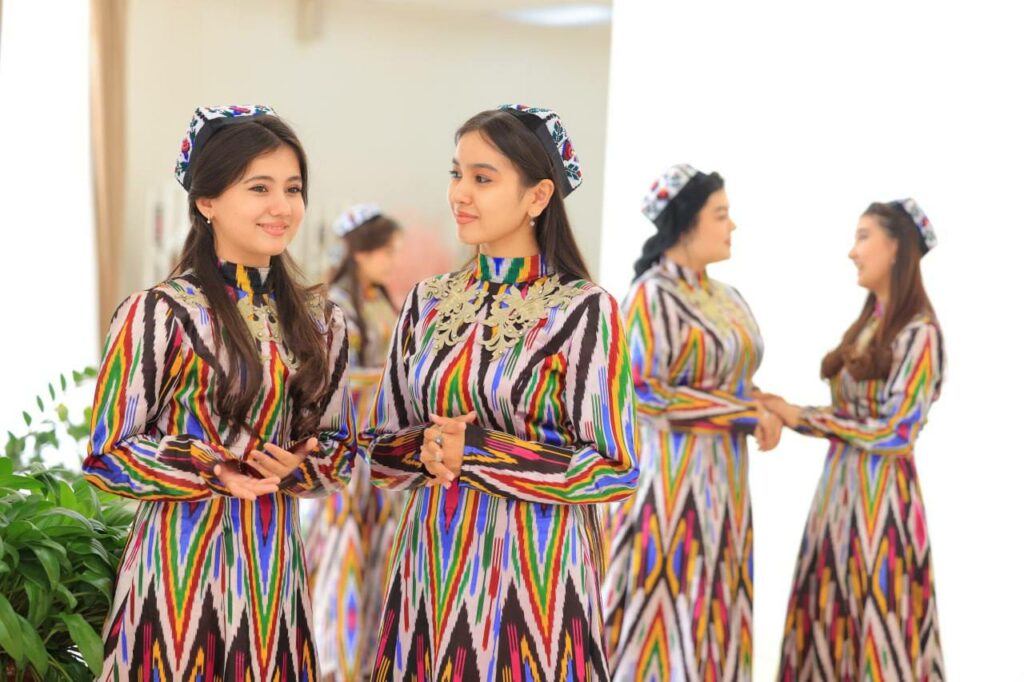
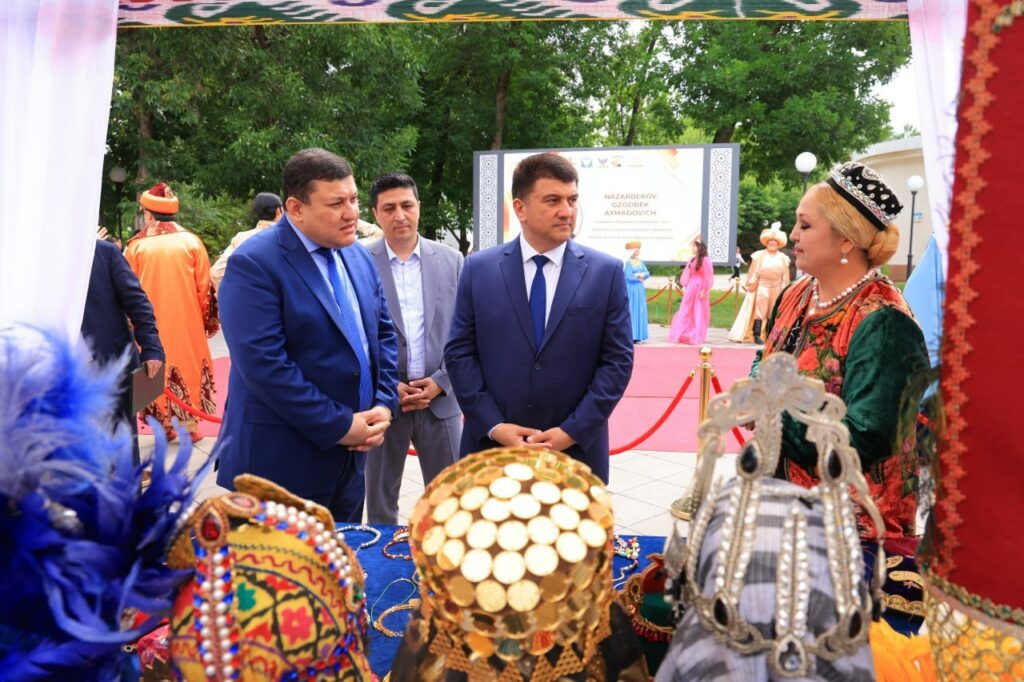
Throughout the conference, participants engaged in comprehensive discussions on the scientific foundations of the creativity phenomenon in intercultural integration, the interaction between traditional and contemporary art forms, current trends in folklore and musical arts, as well as issues of preserving national identity and supporting cultural diversity.
In addition, during open dialogues and academic debates, a number of proposals and recommendations were put forward aimed at advancing cultural cooperation, strengthening creative exchange, and expanding international academic integration.