Happy 21 October – Uzbek Language Day!
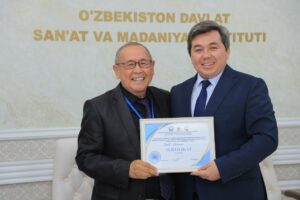
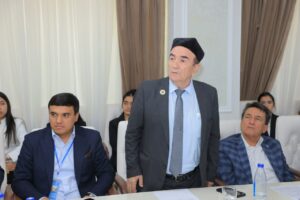
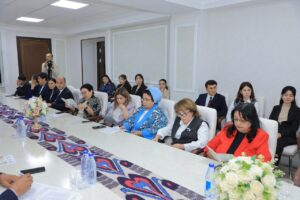
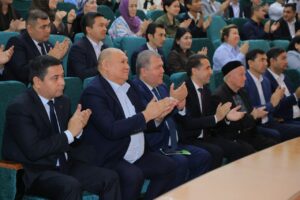
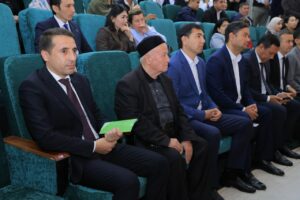
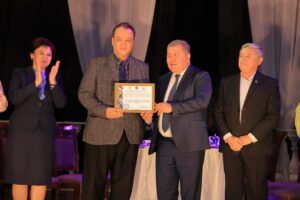
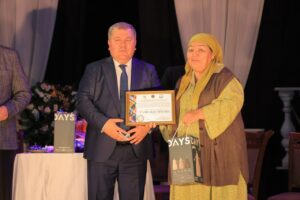
To mark Uzbek Language Day, celebrated on 21 October, a spiritual and educational event entitled “My Mother Tongue — My Pride and Honour” was held at the Uzbekistan State Institute of Arts and Culture.
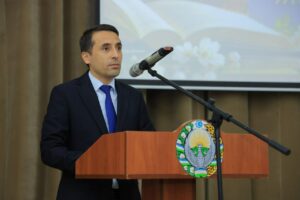
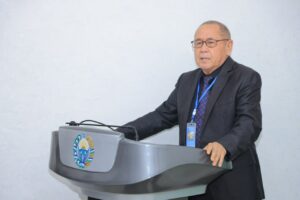
The event was opened by Sobir Madiyev, Acting Rector of the Institute. In his opening remarks, he emphasized that granting the Uzbek language the status of the state language was an important historical milestone in strengthening the people’s national identity, preserving their historical memory, and honouring their spiritual values. He also noted that safeguarding our mother tongue, preserving its richness and unique beauty, and passing them on to future generations is a sacred duty for each of us.
He particularly highlighted the important responsibility of professionals working in the fields of arts and culture to demonstrate the purity, beauty, and expressive power of the Uzbek language through their creative work. Indeed, the artistic word spoken on the theatre stage, the national spirit embodied in music and songs, and the stage interpretations of our literary heritage are all important means of revealing the spiritual power of our language.
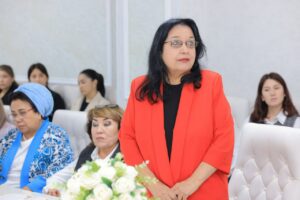
Sayyora Tuychiyeva, recipient of the Shuhrat Medal and the Do‘stlik Order, Doctor of Philosophy, and Professor, also addressed the audience. She shared her views on the role of the mother tongue in the spiritual life and cultural development of the nation, emphasizing the importance of valuing and developing it. She also recited several works from her own literary collection.
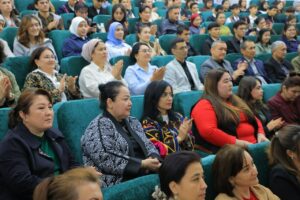
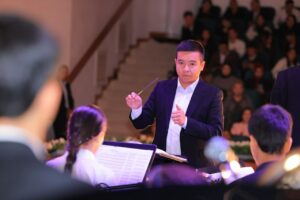
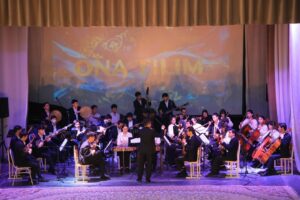
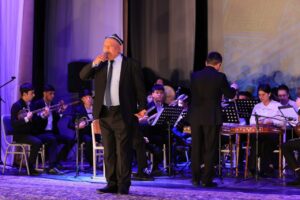
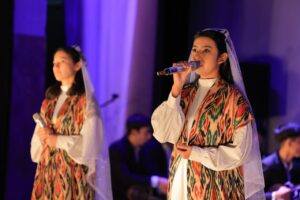
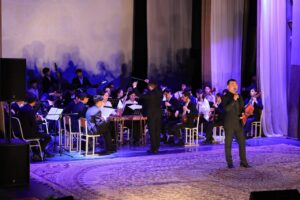
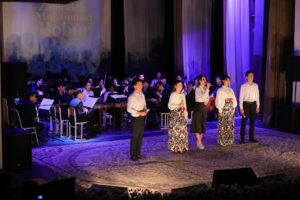
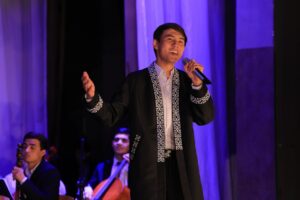
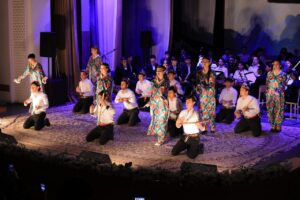
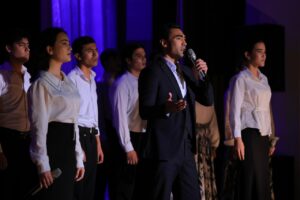
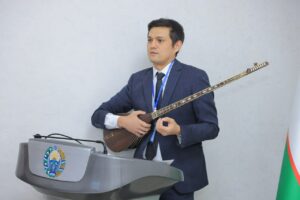
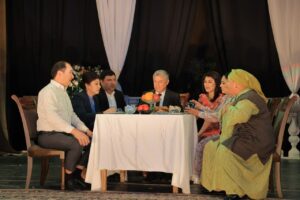
The celebration then continued with artistic performances by the Institute’s academic staff and students. The audience enjoyed outstanding examples of national literature, classical poetry, and musical heritage.
Among the highlights of the programme were the song “Zebo Emas”, composed to a ghazal by Alisher Navoi and performed by Orolmirzo Safarov, People’s Hafiz of the Republic of Uzbekistan and Professor, as well as the songs “Ag‘yor Ila” and “Yuzlaring”, performed by Isroil Saidumarov, recipient of the Nihol Award. Students also delivered impressive recitations of Alisher Navoi’s ghazals, demonstrating the outstanding artistic value of classical literature and the unique beauty of poetic expression.
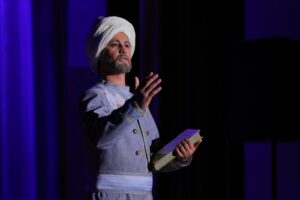
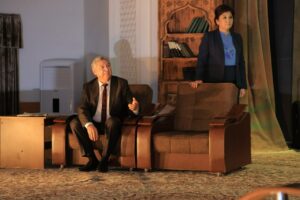
The musical composition “Waltz”, the Karakalpak folk song “Jononim”, the songs “Ona Tilim”, the “Surkhoncha” dance, a collection of wise sayings, and Navoi’s monologue from the drama “Alisher Navoi” by Uygun and Izzat Sultan made a special impression on the audience. The programme also featured the theatrical performance “A Legend About a Teacher” and the musical performance “So‘z Demay”, conveying the educational value of artistic expression, respect for teachers, and reverence for national values.
The performances presented by the Institute’s academic staff and students once again demonstrated that our mother tongue is not merely a means of communication, but also a powerful expression of national identity, intellectual heritage, art, and spirituality.
Throughout the event, the central themes were love for the mother tongue, respect for our national heritage, and the importance of passing spiritual values on to future generations through art.
Our mother tongue is a symbol of our national identity and pride. Cherishing it and enhancing its standing is an honourable responsibility shared by us all.